

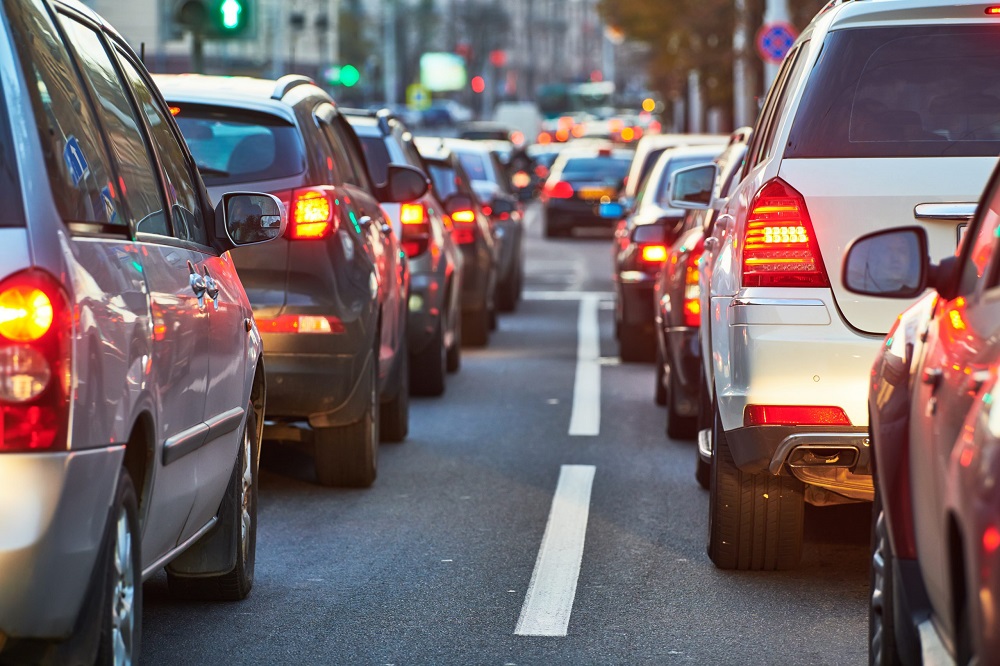
Driving in heavy traffic can be stressful, unpredictable, and mentally exhausting. Congested roads demand patience, quick decision-making, and constant awareness. With the right techniques and mindset, you can navigate traffic safely while reducing stress and risk.
Stay Calm and Patient
Heavy traffic often leads to frustration, but reacting emotionally can make situations worse.
How to stay calm:
- Avoid aggressive driving behaviors like honking excessively or tailgating
- Accept that delays are part of the journey
- Listen to calming music or podcasts
- Leave early to reduce time pressure
A calm driver makes better decisions and reacts more safely.
Maintain a Safe Following Distance
Tailgating is one of the biggest risks in traffic. Sudden braking is common, and close distances leave little room for reaction.
Best practices:
- Keep at least a 2–3 second gap from the vehicle ahead
- Increase distance in rain or poor visibility
- Watch brake lights ahead, not just the car in front
Maintaining distance gives you time to respond and prevents chain collisions.
Stay Alert and Anticipate Movement
Traffic is dynamic—lanes merge, vehicles stop abruptly, and drivers may behave unpredictably.
Stay alert by:
- Scanning the road ahead, not just nearby vehicles
- Checking mirrors frequently
- Noticing patterns like slowing lanes or merging traffic
- Being cautious around buses, trucks, and two-wheelers
Anticipation helps you react early instead of suddenly.
Use Indicators and Follow Lane Discipline
Clear communication reduces confusion and accidents in dense traffic.
Key habits:
- Always signal before changing lanes
- Avoid frequent or unnecessary lane switching
- Stay within lane markings
- Respect traffic signals and signs
Lane discipline ensures smoother flow and reduces risks.
Avoid Sudden Movements
Quick acceleration or braking can cause accidents, especially in tight spaces.
Drive smoothly by:
- Accelerating gradually
- Applying brakes gently
- Avoiding sharp turns or lane cuts
Smooth driving improves control and keeps surrounding drivers safe.
Minimize Distractions
Even minor distractions can be dangerous in heavy traffic where conditions change rapidly.
Avoid:
- Using mobile phones
- Eating or adjusting settings while driving
- Taking your eyes off the road for long
Your full attention is essential in crowded conditions.
Be Extra Careful Around Large Vehicles
Trucks and buses have larger blind spots and longer stopping distances.
Safety tips:
- Avoid staying in blind spots
- Give them extra space
- Do not cut in front suddenly
- Be patient when they are turning or merging
Understanding their limitations helps prevent dangerous situations.
Adjust for Weather and Road Conditions
Traffic becomes more hazardous in rain, fog, or poor road conditions.
Adapt your driving:
- Slow down in wet or slippery conditions
- Use headlights appropriately
- Increase following distance
- Watch for potholes or uneven roads
Plan Your Route and Timing
Smart planning can help you avoid the worst congestion.
Helpful strategies:
- Use navigation apps for real-time traffic updates
- Choose alternative routes when possible
- Avoid peak hours if you can
Planning reduces stress and saves time.
Stay Mentally Engaged
Driving in traffic can become monotonous, leading to reduced alertness.
Stay engaged by:
- Keeping your posture upright
- Taking breaks during long drives
- Staying hydrated
- Remaining aware of surroundings at all times
Frequently Asked Questions (FAQs)
1. What is the safest distance to keep in heavy traffic?
Maintain at least a 2–3 second gap, increasing it in bad weather or low visibility.
2. How can I reduce stress while driving in traffic?
Stay patient, listen to calming audio, and plan your trip to avoid rushing.
3. Is it safe to change lanes frequently in heavy traffic?
No, frequent lane changes increase accident risk. Stick to your lane unless necessary.
4. What should I do if traffic suddenly stops?
Brake gradually, turn on hazard lights if needed, and keep a safe distance from the car ahead.
5. How do I handle aggressive drivers in traffic?
Stay calm, avoid confrontation, and give them space to pass safely.
6. Are navigation apps helpful in heavy traffic?
Yes, they provide real-time updates and suggest alternative routes to avoid congestion.
7. Why is defensive driving important in traffic?
It helps you anticipate risks, react early, and avoid accidents caused by others’ mistakes.
Comments are closed.