

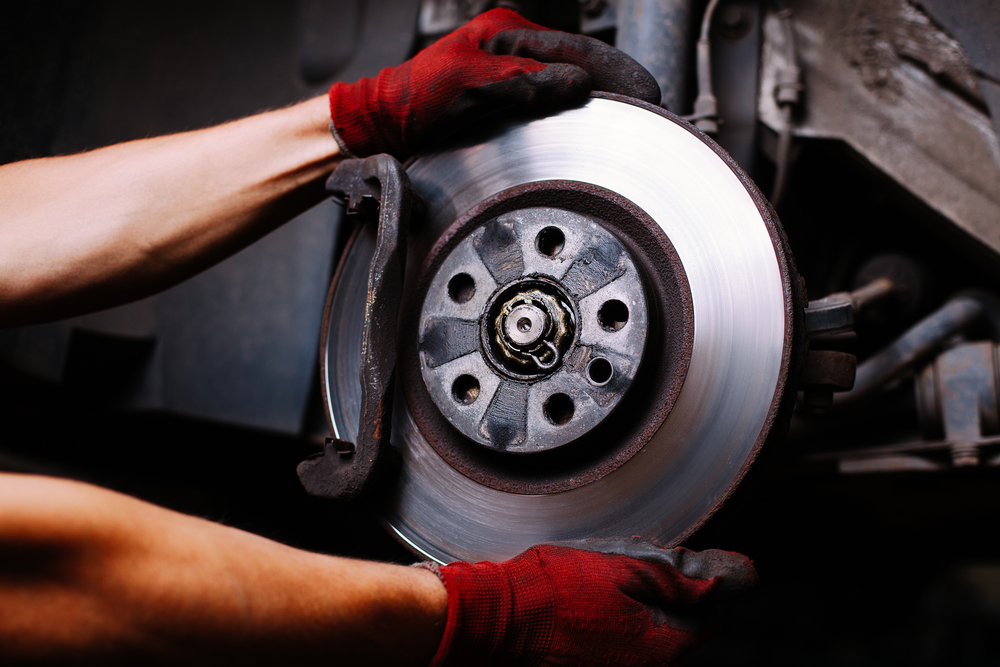
Brakes are one of the most crucial components of your vehicle, ensuring that you can stop safely and efficiently when needed. Over time, brake pads and rotors naturally wear down due to use, but there are several driving habits that can significantly reduce unnecessary brake wear. By adopting certain driving techniques, you not only extend the life of your brake system but also improve the overall performance and safety of your vehicle. Here are some essential tips for reducing brake wear and keeping your vehicle in top condition.
1. Avoid Aggressive Braking
One of the primary causes of excessive brake wear is aggressive braking, which includes both sudden stops and repeated hard braking. When you frequently slam on the brakes, the friction between the brake pads and the rotors increases, causing more heat and faster wear. This can lead to premature brake pad deterioration and damage to the rotor surfaces, resulting in costly repairs.
To reduce brake wear, make a conscious effort to brake gently and gradually. Start by easing off the accelerator early when you anticipate needing to stop. For instance, if you are approaching a red light or traffic jam, begin to decelerate well before reaching the intersection, allowing the car to slow down smoothly. This will not only help preserve your brakes but will also contribute to smoother driving overall.
2. Maintain a Safe Following Distance
Maintaining a safe following distance from the vehicle ahead is an essential defensive driving practice. It gives you more time to react to sudden stops or changes in traffic speed, reducing the need to brake suddenly. Many drivers tend to tailgate, especially in heavy traffic, which can lead to frequent and unnecessary braking. Constantly braking and accelerating to maintain an appropriate distance increases brake wear over time.
The general rule of thumb is to stay at least one car length behind the vehicle in front of you for every 10 miles per hour you’re traveling. This provides enough space to react to potential hazards and avoid sudden braking. Maintaining a comfortable distance from other cars reduces stress on your brakes and promotes smoother driving.
3. Use Engine Braking
Engine braking, or using the engine’s resistance to slow down the vehicle instead of relying solely on the brake pads, is an effective way to reduce brake wear. This technique is particularly useful when driving downhill or on long, gradual slopes, where relying on your brakes alone can overheat and wear out the brake pads faster.
To engage engine braking, simply take your foot off the accelerator and allow the engine to naturally slow the vehicle down. If you need additional slowing power, shift to a lower gear (in a manual transmission vehicle) or select a lower gear mode (in an automatic vehicle). Engine braking helps to take some of the pressure off the braking system, especially during long descents, ultimately preserving the lifespan of the brake pads and rotors.
4. Drive at Steady Speeds
Frequent speed fluctuations—accelerating quickly and then abruptly decelerating—put unnecessary strain on your vehicle’s braking system. This stop-and-go driving not only causes your brake pads to wear faster but also leads to higher fuel consumption and unnecessary engine stress. Maintaining a steady speed allows you to brake less frequently and reduces the wear on both your brakes and your car’s engine.
Using cruise control on highways or long stretches of road can help you maintain a constant speed, thus preventing the need for excessive braking. Additionally, anticipate changes in traffic flow so that you can slow down gradually without the need to brake suddenly. Consistent speeds create smoother driving and less stress on your brake system.
5. Reduce Excessive Weight
The more weight your vehicle carries, the harder your brakes have to work to slow it down. Excess weight puts extra pressure on the braking system, leading to faster brake wear. For this reason, it’s important to keep your vehicle free of unnecessary items, especially heavy objects, that add to the overall weight.
Take a moment to check the contents of your car and remove any items that are not necessary for the trip. For example, heavy tools, large bags, or other gear that you rarely use should be removed to lighten the load. In addition to reducing brake wear, this can also improve your vehicle’s fuel efficiency.
6. Avoid Riding the Brakes
Riding the brakes refers to keeping your foot on the brake pedal for extended periods while driving. This habit often occurs in traffic or when going downhill, as drivers instinctively apply pressure to the brake pedal to maintain a safe speed. However, constantly keeping pressure on the brake pedal generates heat and increases friction, which accelerates brake pad wear.
To avoid riding the brakes, simply take your foot off the brake pedal when not actively slowing down. If you’re driving down a slope, for example, use engine braking or shift to a lower gear rather than holding down the brakes. This small adjustment can help you avoid unnecessary brake wear and extend the life of your brake pads.
7. Perform Regular Brake Maintenance
Regular maintenance is key to ensuring that your brakes perform optimally. Check your brake pads and rotors periodically for signs of wear, such as a squeaking noise or reduced stopping power. If you notice any issues, it’s best to address them promptly rather than waiting for them to worsen. Routine brake inspections by a professional mechanic will help identify potential problems early, preventing further damage to your braking system.
Additionally, make sure your brake fluid is topped off and in good condition. Low or contaminated brake fluid can impair braking performance and contribute to uneven brake wear. If your brake fluid appears dirty or is below the recommended level, have it flushed and replaced as part of your vehicle’s regular maintenance schedule.
8. Limit Short Trips
Frequent short trips, especially in city driving, put more strain on your vehicle’s braking system. When driving over short distances, your brakes don’t have the opportunity to cool down properly between stops. This constant use of brakes at high temperatures can lead to increased wear and, over time, can cause issues like brake fade.
If possible, try to combine short trips into longer ones, allowing the brakes to cool between uses. For instance, instead of driving to several destinations in quick succession, group your errands together or plan your trips more efficiently. This will not only reduce brake wear but also save you time and fuel.
9. Avoid Slamming the Brakes at Stop Signs
At stop signs or other controlled intersections, it’s common for drivers to slam on the brakes at the last second to come to a complete stop. This sudden braking puts significant pressure on your braking system, leading to quicker pad wear. Instead, anticipate the stop in advance and gently apply the brakes well before the intersection.
By slowing down gradually as you approach the stop, you allow your brakes to do their job without forcing them to work too hard. This technique reduces brake wear and also enhances your safety by allowing you to stop more smoothly and with more control.
10. Use Proper Brake Fluid
Brake fluid is essential for the proper functioning of your vehicle’s braking system. Old or contaminated brake fluid can reduce braking efficiency and cause the system to wear out faster. Make sure to have your brake fluid checked regularly and replaced as needed. This will help maintain optimal braking performance and prevent unnecessary wear on the brake components.
Conclusion
Driving habits play a significant role in the lifespan of your brakes. By practicing smooth driving techniques, avoiding aggressive braking, maintaining a safe distance, and performing regular maintenance, you can significantly reduce brake wear. These simple steps not only prolong the life of your braking system but also contribute to a safer, more efficient driving experience. By taking care of your brakes, you ensure that they are ready to perform when you need them the most.
Comments are closed.