

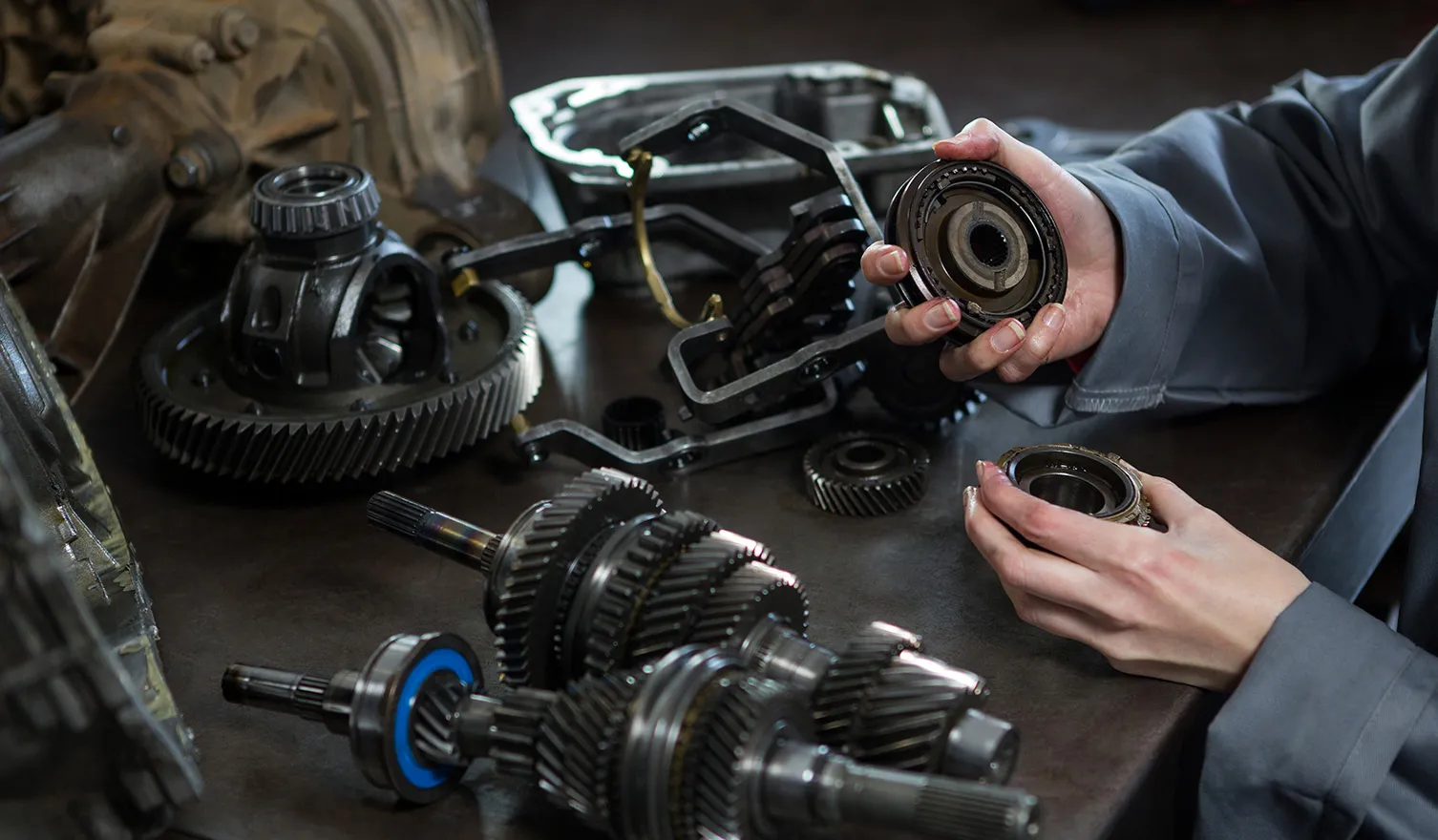
The transmission is one of the most critical components of your vehicle. It transfers power from the engine to the wheels, allowing your car to move smoothly at different speeds. When it fails, your vehicle can become unsafe or completely inoperable. Understanding transmission repair helps you spot early problems, avoid costly damage, and keep your car running efficiently.
What Is a Transmission and How Does It Work?
A transmission controls how power is delivered from the engine to the wheels. It ensures the right amount of force is applied based on speed and driving conditions.
Types of Transmissions
- Manual Transmission: Requires driver-controlled gear shifting
- Automatic Transmission: Changes gears automatically
- CVT (Continuously Variable Transmission): Provides seamless gear ratios
- Dual-Clutch Transmission (DCT): Combines manual and automatic efficiency
Each type has unique repair needs, but all rely on proper lubrication and smooth gear engagement.
Common Transmission Problems
Transmission issues often start small but worsen quickly if ignored.
1. Slipping Gears
Symptoms:
- Sudden changes in speed
- Engine revs without acceleration
Causes:
- Worn clutch (manual)
- Low transmission fluid
2. Delayed or Rough Shifting
Symptoms:
- Jerky gear changes
- Delay when shifting from park to drive
Causes:
- Contaminated fluid
- Faulty transmission control system
3. Transmission Fluid Leaks
Symptoms:
- Red or brown fluid under the car
Causes:
- Damaged seals
- Loose or cracked components
4. Burning Smell
Symptoms:
- Strong burnt odor
Causes:
- Overheated transmission
- Old or degraded fluid
5. Warning Lights
Modern vehicles alert you with a check engine or transmission warning light when issues arise.
Causes of Transmission Damage
Several factors contribute to transmission wear and failure:
- Low or dirty fluid
- Overheating due to heavy loads or traffic
- Aggressive driving habits
- Skipping routine maintenance
- Using incorrect transmission fluid
Preventive care is the best defense against expensive repairs.
Transmission Repair vs Replacement
Knowing whether to repair or replace your transmission can save you money.
When Repair Is Enough
- Minor leaks
- Fluid replacement
- Sensor or solenoid issues
When Replacement Is Better
- Severe internal damage
- Repeated failures
- High repair costs close to replacement price
A professional inspection is essential before making this decision.
Cost of Transmission Repair
Repair costs vary widely depending on the issue and vehicle type.
- Fluid change: ₹1,500 – ₹5,000
- Minor repairs: ₹5,000 – ₹20,000
- Major repairs/rebuild: ₹25,000 – ₹80,000+
- Full replacement: ₹80,000 – ₹2,00,000+
Regular servicing can significantly reduce these expenses.
Maintenance Tips to Prevent Transmission Problems
Taking care of your transmission extends its lifespan and improves performance.
Key Maintenance Practices
- Check transmission fluid regularly
- Change fluid as recommended by manufacturer
- Avoid overloading your vehicle
- Use proper driving techniques (especially in manual cars)
- Allow your car to warm up before driving
Driving Habits That Help
- Smooth acceleration and braking
- Avoid frequent gear shifting in traffic
- Do not rest your hand on the gear lever (manual cars)
Signs You Need Immediate Transmission Repair
Ignoring warning signs can lead to complete failure.
- Grinding or shaking while driving
- Car won’t go into gear
- Loss of power
- Loud whining or clunking noises
- Fluid leaks or overheating
If you notice any of these, get your car inspected immediately.
Choosing the Right Repair Service
A reliable mechanic can make a huge difference in repair quality.
- Look for experienced transmission specialists
- Ask for diagnostic reports before repair
- Compare cost estimates
- Ensure warranty on work done
Avoid cheap fixes that may cause bigger issues later.
FAQs
1. How often should transmission fluid be changed?
Typically every 30,000 to 60,000 km, but always follow your car manufacturer’s recommendation.
2. Can I drive with a slipping transmission?
It’s not safe. Continued driving can cause severe internal damage.
3. What happens if transmission fluid is not changed?
Old fluid loses its effectiveness, leading to overheating, wear, and eventual failure.
4. Is transmission repair expensive?
It can be, especially for major issues. Regular maintenance helps reduce costs.
5. How long does a transmission last?
With proper care, most transmissions last 1.5 to 2 lakh kilometers or more.
6. What color should transmission fluid be?
Healthy fluid is usually bright red. Dark or burnt-smelling fluid indicates a problem.
7. Can overheating damage the transmission?
Yes, overheating is one of the leading causes of transmission failure.
Comments are closed.