

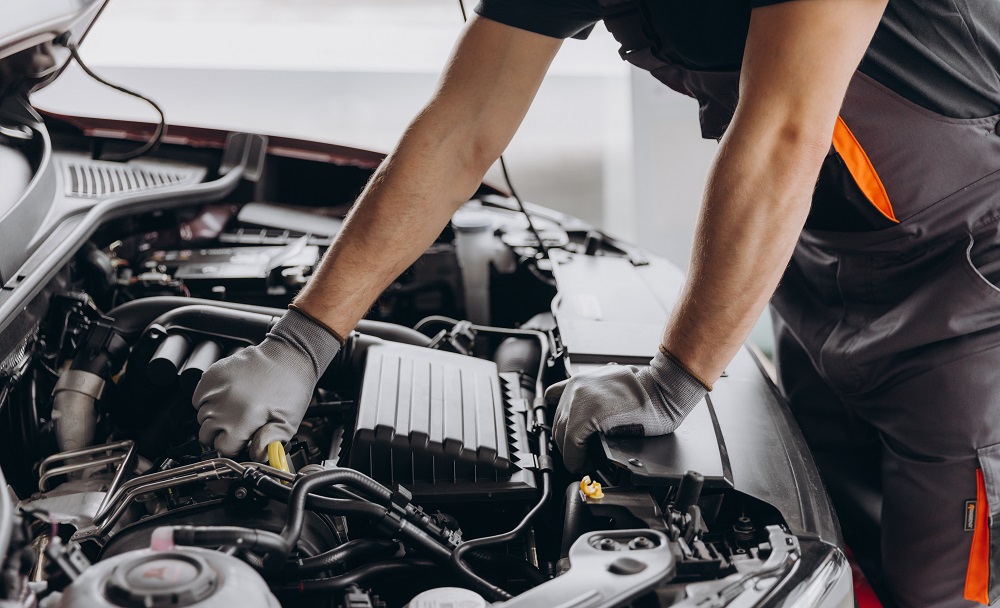
Car repair is an essential part of vehicle ownership. Whether you drive daily or occasionally, understanding how to maintain and repair your car can save you time, money, and unexpected breakdowns. This guide walks you through the fundamentals of car repair, common issues, and when to seek professional help.
Why Car Repair Matters
Regular maintenance and timely repairs are not just about keeping your car running—they ensure safety, efficiency, and longevity.
- Safety: Faulty brakes, worn tires, or engine issues can lead to accidents
- Performance: A well-maintained car runs smoothly and consumes less fuel
- Cost Savings: Early repairs prevent expensive damage later
- Resale Value: A serviced car retains higher market value
Common Car Problems and Their Solutions
Understanding typical car issues helps you respond quickly and avoid further damage.
1. Engine Problems
Symptoms:
- Check engine light
- Strange noises
- Reduced performance
Possible Causes:
- Faulty spark plugs
- Dirty air filters
- Fuel system issues
Quick Fix:
- Replace spark plugs regularly
- Clean or replace filters
2. Battery Issues
Symptoms:
- Car won’t start
- Dim headlights
Possible Causes:
- Dead battery
- Corroded terminals
Quick Fix:
- Clean battery terminals
- Replace battery every 3–5 years
3. Brake Wear
Symptoms:
- Squeaking or grinding noise
- Reduced braking efficiency
Possible Causes:
- Worn brake pads
- Low brake fluid
Quick Fix:
- Replace brake pads
- Check fluid levels regularly
4. Tire Problems
Symptoms:
- Uneven wear
- Low pressure
- Vibrations while driving
Possible Causes:
- Misalignment
- Improper inflation
Quick Fix:
- Rotate tires every 5,000–8,000 km
- Maintain proper tire pressure
Basic Car Maintenance Tips
Routine maintenance reduces the need for major repairs.
Regular Checks You Should Perform
- Engine oil: Change every 5,000–10,000 km
- Coolant levels: Prevent overheating
- Air filters: Replace for better fuel efficiency
- Lights and signals: Ensure visibility and safety
DIY vs Professional Repairs
DIY Repairs (Safe for beginners):
- Changing oil
- Replacing wiper blades
- Checking tire pressure
Professional Repairs (Require expertise):
- Engine diagnostics
- Transmission repairs
- Electrical system issues
Tools Every Car Owner Should Have
A basic toolkit can handle minor repairs and emergencies.
- Wrench set
- Screwdrivers
- Tire pressure gauge
- Jack and lug wrench
- Jumper cables
Having these tools ensures you’re prepared for unexpected situations on the road.
Signs You Should Visit a Mechanic Immediately
Ignoring warning signs can worsen problems.
- Persistent warning lights
- Smoke from engine
- Fluid leaks under the car
- Unusual vibrations or noises
- Sudden drop in fuel efficiency
Cost of Car Repairs
Repair costs vary depending on the issue and vehicle type.
- Minor repairs: ₹500 – ₹3,000
- Moderate repairs: ₹3,000 – ₹15,000
- Major repairs: ₹20,000+
Regular maintenance helps avoid high repair bills.
How to Choose a Reliable Mechanic
Selecting the right professional is crucial.
- Look for certified technicians
- Check customer reviews
- Ask for transparent pricing
- Ensure warranty on repairs
Building a relationship with a trusted mechanic can make car ownership stress-free.
FAQs About Car Repair
1. How often should I service my car?
Most cars should be serviced every 6 months or 5,000–10,000 km, depending on usage.
2. What does the check engine light mean?
It indicates a problem in the engine or emissions system. It could be minor or serious, so diagnosis is important.
3. Can I drive with a damaged brake system?
No, driving with faulty brakes is dangerous and should be addressed immediately.
4. How long does a car battery last?
Typically 3–5 years, depending on climate and usage.
5. Is regular oil change really necessary?
Yes, it keeps the engine lubricated and prevents wear and overheating.
6. What causes poor fuel efficiency?
Dirty air filters, low tire pressure, engine issues, or aggressive driving habits.
7. Should I repair or replace old car parts?
If repair costs are close to replacement cost, replacing is often the better long-term solution.
Comments are closed.