

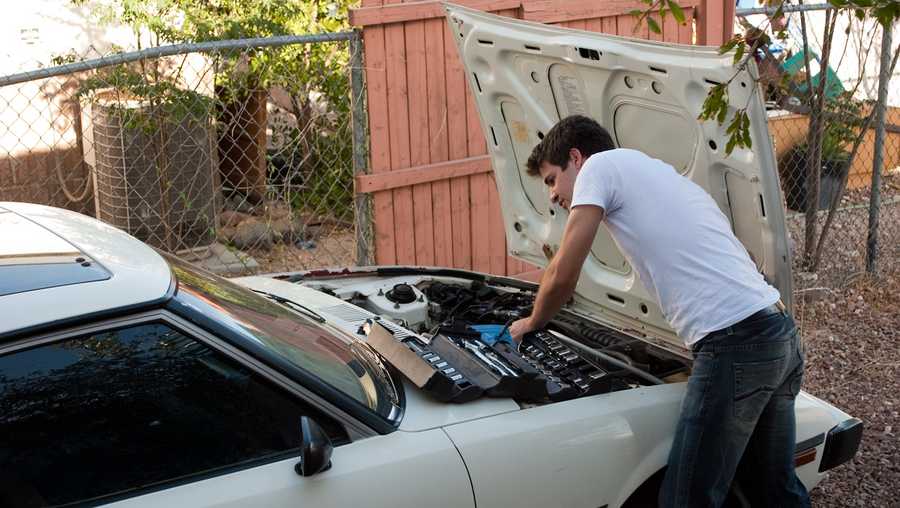
Car owners today have access to countless tutorials and tools, making DIY auto service more popular than ever. While doing your own maintenance can save money and increase confidence, not every task belongs in the driveway. Knowing when to handle a job yourself and when to rely on professional auto service is essential for protecting both your vehicle and your safety.
This guide breaks down what’s worth doing yourself and what’s best left to trained technicians.
Understanding the Difference Between DIY and Professional Auto Service
DIY auto service typically involves basic maintenance tasks that require minimal tools and technical expertise. Professional service, on the other hand, includes complex repairs, diagnostics, and safety-critical systems.
Choosing the right approach depends on:
- Your skill level
- Available tools
- Task complexity
- Safety risks
Making informed decisions prevents costly mistakes.
Auto Maintenance Tasks You Can Safely Do Yourself
Some maintenance jobs are simple, low-risk, and ideal for DIY enthusiasts.
Basic DIY Auto Service Tasks
These tasks are generally safe for most car owners:
- Checking and topping off fluids
- Replacing engine air filters
- Changing windshield wipers
- Checking tire pressure
- Replacing cabin air filters
Completing these tasks regularly improves performance and saves on labor costs.
DIY Tasks That Require Extra Caution
Some jobs are possible at home but require proper tools, preparation, and care.
Examples include:
- Battery replacement
- Spark plug replacement
- Oil changes
Mistakes in these areas can cause damage or safety issues, so proper research is essential.
Auto Services Best Left to Professionals
Certain vehicle systems are too complex or risky for DIY work. Professional service ensures accuracy, safety, and warranty protection.
When Professional Auto Service Is Essential
Leave these services to trained technicians:
- Brake system repairs
- Transmission service
- Engine diagnostics and repairs
- Suspension and steering work
- Electrical system troubleshooting
These systems require specialized tools and experience.
Safety Risks of Improper DIY Repairs
Improper repairs can compromise vehicle safety and performance.
Potential risks include:
- Brake failure
- Fluid leaks
- Electrical shorts
- Incorrect torque settings
Professional technicians follow precise procedures to avoid these dangers.
Cost Considerations: DIY vs Professional Service
DIY service can reduce labor costs, but mistakes often eliminate savings.
Professional service may cost more upfront, but it offers:
- Warranty-backed repairs
- Accurate diagnostics
- Long-term reliability
Weighing cost against risk helps determine the best option.
How DIY Work Can Affect Warranties
Modern vehicle warranties often require proper documentation and approved procedures.
Poorly performed DIY work can:
- Void warranty coverage
- Complicate future claims
Professional service provides documented proof of maintenance compliance.
Blending DIY and Professional Auto Service Wisely
The smartest approach often combines both methods.
A balanced strategy includes:
- DIY for simple, routine tasks
- Professional service for inspections and complex repairs
This approach maximizes savings while protecting vehicle health.
Knowing Your Limits as a Car Owner
Honest self-assessment is critical. Overestimating skills can result in expensive damage.
Ask yourself:
- Do I have the right tools?
- Do I fully understand the process?
- Is this system critical to safety?
If the answer is uncertain, professional service is the safer choice.
FAQs About DIY vs Professional Auto Service
Can DIY maintenance really save money?
Yes, but only when tasks are done correctly and safely without causing additional damage.
Are online tutorials reliable for car repairs?
They can be helpful, but not all tutorials apply to every vehicle or situation.
Is it safe to change my own oil?
It can be, provided you use the correct oil, dispose of it properly, and follow procedures carefully.
Do professionals do a better job than DIY?
For complex systems, professional training and tools usually result in more accurate and reliable work.
Can DIY repairs affect vehicle resale value?
Yes. Poor-quality repairs or lack of documentation can reduce buyer confidence.
How do I know if a repair is beyond my skill level?
If it involves safety systems, electronics, or specialized diagnostics, professional service is recommended.
Should beginners avoid DIY auto service?
Beginners can start with simple tasks and gradually build skills while avoiding high-risk repairs.
Comments are closed.