

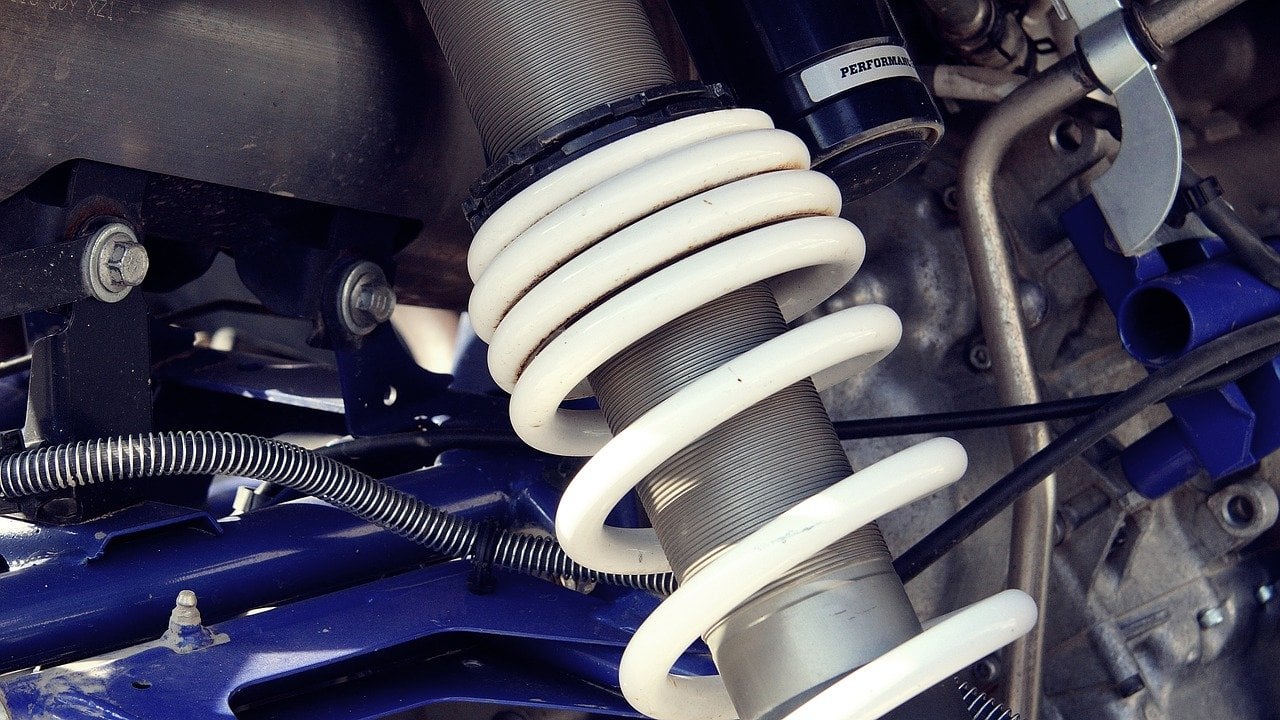
Introduction to Car Suspension Systems
A vehicle’s suspension system is responsible for more than just a smooth ride—it directly affects comfort, handling, and safety. It connects the car to its wheels and absorbs shocks from uneven road surfaces, ensuring stability and control.
Without a well-functioning suspension system, even short drives can feel rough and uncomfortable, especially on bumpy or uneven roads.
Key Suspension Components and Their Functions
Understanding the main parts of a suspension system helps you appreciate how they contribute to ride comfort and vehicle performance.
1. Shock Absorbers (Dampers)
Shock absorbers control the impact and rebound movement of the vehicle’s springs.
Key roles:
- Reduce bouncing after hitting bumps
- Improve tire contact with the road
- Enhance overall driving stability
2. Struts
Struts are a structural part of the suspension system that combine a shock absorber and a coil spring into one unit.
Why they matter:
- Provide structural support to the suspension
- Maintain wheel alignment
- Improve steering precision
3. Coil Springs
Coil springs support the vehicle’s weight and absorb road shocks.
Benefits:
- Maintain ride height
- Cushion impacts from potholes and rough terrain
- Improve passenger comfort
4. Control Arms
Control arms connect the wheel hub to the vehicle’s frame.
Functions:
- Allow smooth up-and-down wheel movement
- Maintain proper wheel alignment
- Support stable handling
5. Ball Joints
Ball joints act as pivot points between the wheels and suspension.
Importance:
- Enable smooth steering movement
- Support suspension flexibility
- Ensure safe cornering
6. Bushings
Bushings are rubber or polyurethane components that reduce friction between metal parts.
Advantages:
- Minimize vibrations and noise
- Improve ride smoothness
- Protect components from wear
7. Sway Bars (Anti-Roll Bars)
Sway bars reduce body roll when the vehicle turns.
Key benefits:
- Enhance cornering stability
- Improve balance during sharp turns
- Increase driver control
How Suspension Affects Ride Comfort
The suspension system plays a crucial role in how comfortable your vehicle feels on the road.
Key Comfort Factors:
- Shock Absorption: Smooths out bumps and potholes
- Vibration Reduction: Prevents road vibrations from reaching the cabin
- Vehicle Stability: Keeps the car steady during acceleration and braking
- Noise Control: Reduces rattling and unwanted sounds
A well-maintained suspension ensures passengers experience minimal discomfort, even on rough roads.
Signs of Worn Suspension Parts
Over time, suspension components wear out and affect ride quality. Recognizing early warning signs can prevent bigger issues.
Common Symptoms:
- Excessive bouncing after bumps
- Uneven tire wear
- Vehicle pulling to one side
- Nose-diving when braking
- Clunking or knocking noises
- Reduced steering responsiveness
Ignoring these signs can lead to poor handling and unsafe driving conditions.
Choosing High-Quality Suspension Parts
Selecting the right suspension components is essential for comfort and performance.
Tips for Selection:
- Choose parts compatible with your vehicle model
- Prefer trusted and well-reviewed brands
- Consider your driving conditions (city vs off-road)
- Look for durable materials and warranties
- Avoid low-quality, cheap alternatives
Maintenance Tips for Better Ride Comfort
Proper care extends the life of suspension parts and maintains comfort.
Best Practices:
- Inspect suspension regularly
- Replace worn shocks and struts promptly
- Keep tires properly inflated and aligned
- Avoid overloading your vehicle
- Drive cautiously on rough roads
Impact of Suspension on Overall Vehicle Performance
A healthy suspension system doesn’t just improve comfort—it enhances:
- Handling and control
- Braking efficiency
- Tire longevity
- Fuel efficiency (indirectly)
It ensures your vehicle performs optimally under various driving conditions.
Conclusion
Car suspension parts play a vital role in delivering a smooth, stable, and comfortable ride. From shock absorbers to sway bars, each component contributes to absorbing impacts and maintaining control. Investing in high-quality suspension parts and maintaining them regularly ensures not only comfort but also safety and long-term vehicle performance.
Frequently Asked Questions (FAQs)
1. How often should suspension parts be replaced?
Most suspension components last between 50,000 to 100,000 kilometers, but this varies based on driving conditions.
2. What is the difference between shocks and struts?
Shocks control movement, while struts provide structural support and integrate multiple suspension functions.
3. Can bad suspension affect fuel efficiency?
Yes, worn suspension can cause uneven tire wear and increased resistance, indirectly affecting fuel efficiency.
4. Is it safe to drive with worn suspension parts?
It’s not recommended, as it reduces vehicle control and increases the risk of accidents.
5. Why does my car bounce excessively?
This usually indicates worn shock absorbers or struts that need replacement.
6. Do suspension upgrades improve comfort?
Yes, high-quality or performance suspension systems can significantly enhance ride comfort and handling.
7. How can I extend the life of my suspension system?
Regular inspections, careful driving, and timely replacement of worn parts help extend suspension lifespan.
Comments are closed.