

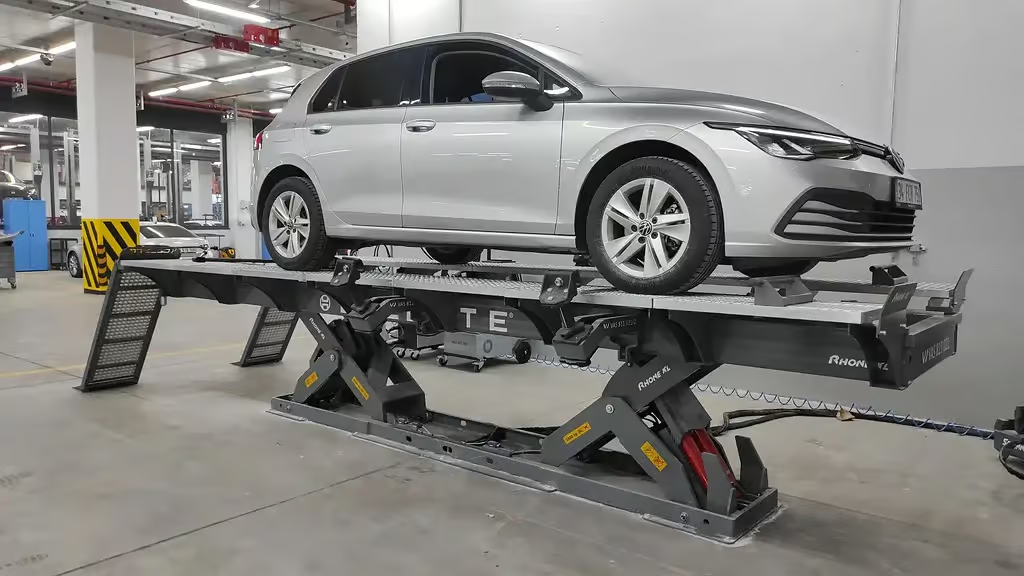
Structural jobs can occupy valuable workshop space for longer than almost any other type of collision repair. For a frame machine body shop, improving cycle time is therefore not only about making technicians work faster; it is about organising diagnosis, equipment, parts and repair stages so the frame bay does not become a bottleneck.
Know The Damage Before Occupying The Bench
A vehicle should not reach the frame machine before the workshop has a reasonable understanding of what needs to happen. If further dismantling, measurement or parts research is still required, the bench can end up occupied while very little productive structural work is taking place.
Pre-repair planning helps avoid this. The workshop should establish which areas need measurement, what anchoring or fixtures are required and whether the planned repair is supported by the available equipment.
Parts availability matters as well. If structural components are needed but have not been ordered, the vehicle may sit on the bench waiting for material before the repair can proceed.
The more preparation completed before loading, the more efficiently the valuable structural bay can be used.
Setup Time Should Be Treated As Part Of The Repair
Technicians naturally focus on pulling and measuring because those are the visible repair tasks, but loading and anchoring can consume a significant amount of time. Equipment layout can either help or hinder this process.
Frequently used clamps, fixtures and accessories should be organised so technicians can identify and retrieve them quickly. Searching through storage for the correct component every time a vehicle is loaded creates small delays that accumulate across many jobs.
Workshop layout should also allow enough room around the bench for technicians and pulling equipment to move safely. A powerful system placed in a bay that is too cramped may never operate as efficiently as intended.
Good organisation makes setup repeatable, reducing variation between technicians and jobs.
Structural Work Needs To Connect With The Rest Of Production
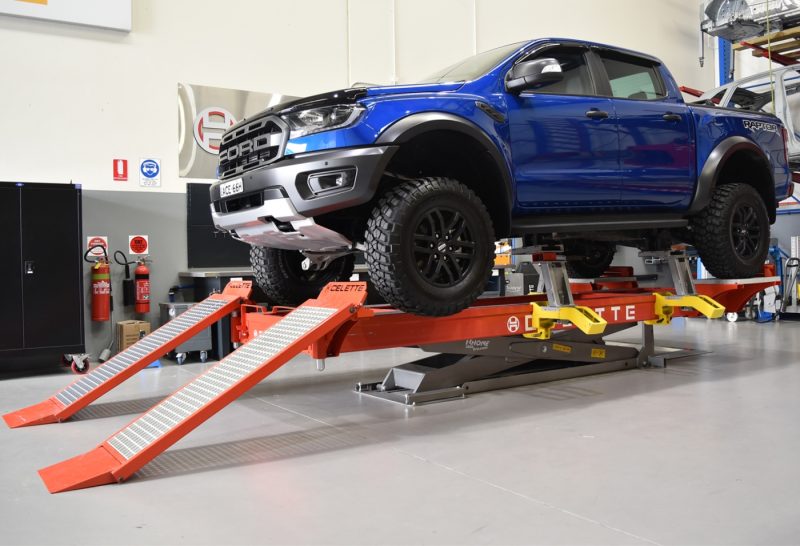
The frame bay is only one stage in the vehicle’s journey. Once structural correction is complete, the car may move into panel repair, mechanical work, preparation or paint. Delays in either direction can affect the whole workshop.
Production managers should therefore plan structural work with downstream capacity in mind. Completing several frame jobs when there is nowhere for them to go next simply moves the queue elsewhere.
Likewise, the structural technician should receive vehicles with enough information from estimating and dismantling teams. Missing repair information or unidentified damage can stop progress while additional decisions are made.
Better communication between departments often improves cycle time without any change to the actual repair technique.
Measure Productivity By Flow, Not Only Labour Hours
A technician may complete the structural work efficiently yet the vehicle can still spend days occupying the bay because of poor scheduling. This is why productivity needs to include total elapsed time as well as hands-on labour.
Workshops can review how long vehicles wait before measurement, between pulls, for parts and before leaving the frame area. These gaps often reveal opportunities that are invisible in standard labour-time reports.
Structural repairs will always require care and cannot simply be rushed. The opportunity lies in removing waiting and unnecessary movement around the skilled work.
When diagnosis happens early, equipment is organised and the wider production schedule supports the repair, the frame bay becomes a controlled part of workflow rather than a place where difficult jobs disappear for days at a time.
Comments are closed.