

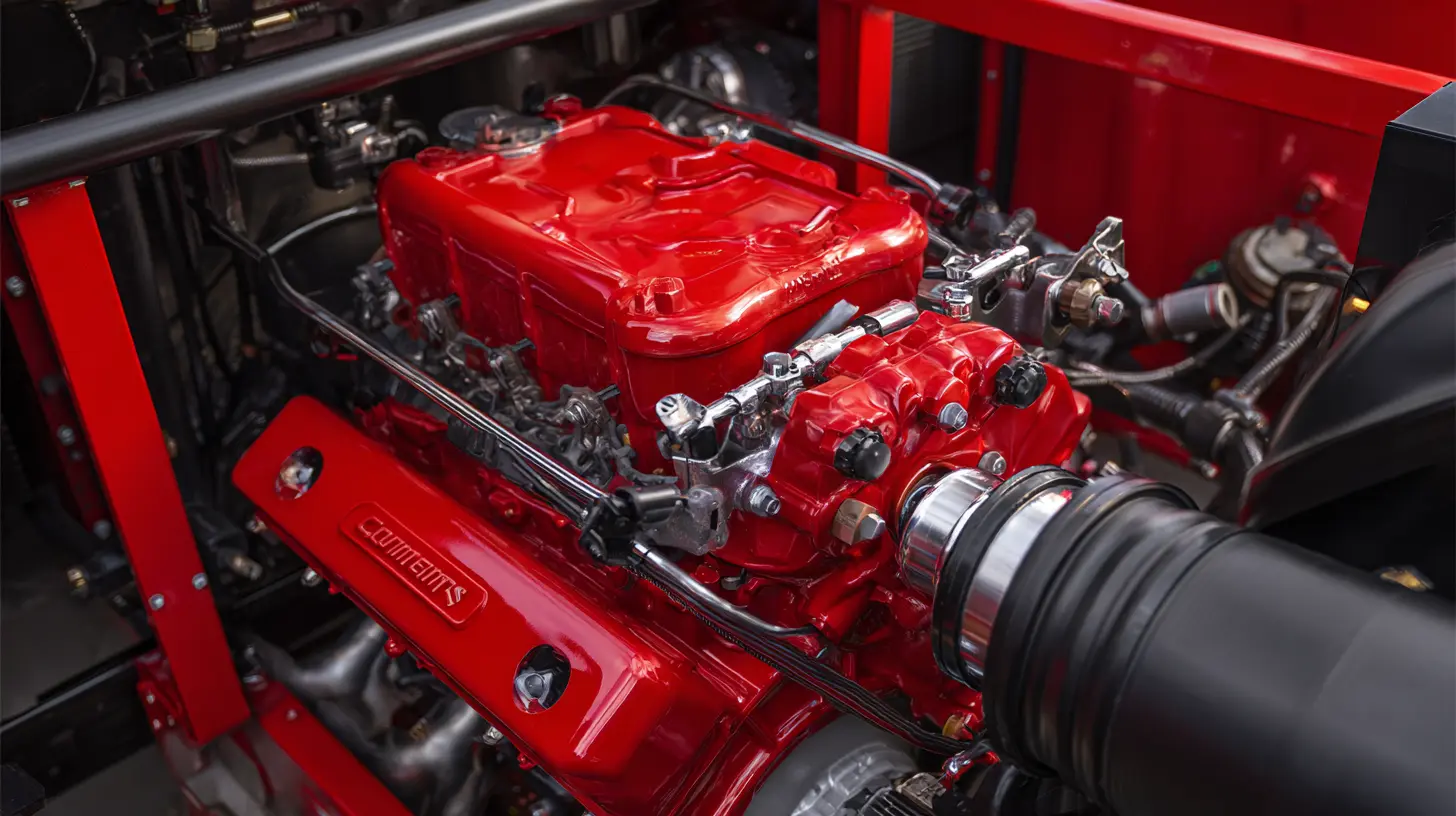
Diesel engines have a reputation for being tough and lasting forever, but that’s only part of the story. Anyone who owns a diesel truck knows there’s more to it than just filling the tank and driving. The reality is that diesel reliability depends on several factors, and understanding them can mean the difference between an engine that runs for 300,000 miles and one that starts having problems at 100,000.
What Actually Makes Diesel Engines Different
The basic design of diesel engines gives them some natural advantages. They don’t use spark plugs, which removes one common failure point right away. The combustion process is different too. Instead of igniting a fuel-air mixture with a spark, diesel engines compress air until it gets hot enough to ignite the fuel on its own. This creates higher cylinder pressures, which is why diesel engine blocks are built heavier and stronger than gas engines.
That extra strength means the core components can handle more stress over time. The crankshaft, connecting rods, and pistons in a diesel are all beefier than what you’d find in a comparable gas engine. This is one reason why diesels can rack up huge mileage numbers when they’re properly maintained. But that heavy-duty construction comes with trade-offs. When things do go wrong, the parts cost more and the repairs are usually more involved.
The Critical Components That Determine Longevity
A few key systems make or break diesel engine reliability. The fuel system sits at the top of that list. Diesel fuel acts as a lubricant for the injection system, and when injectors start to fail or get clogged, performance drops fast. Rough idling, hard starts, and lost power are usually the first signs. Getting a quality fuel injector for your 5.9 or 6.7 Cummins engine when problems show up can prevent bigger issues down the road, since failing injectors can damage other components if left alone too long.
The turbocharger is another component that affects reliability more than most people realize. Almost all modern diesel engines use turbochargers to create the power and efficiency people expect. These spin at incredible speeds and operate in extremely hot conditions. Regular oil changes become even more important because the turbo relies on clean oil for cooling and lubrication. A turbo failure can send metal fragments throughout the engine, turning a single bad component into a complete engine rebuild.
The cooling system deserves attention too. Diesel engines generate a lot of heat, and keeping temperatures in the right range matters for everything from head gaskets to pistons. A weak water pump or a partially clogged radiator might not seem like a big deal, but sustained high temperatures cause problems that show up thousands of miles later.
Why Maintenance Schedule Really Matters
There’s a difference between following the maintenance schedule and actually staying on top of a diesel engine. Oil changes can’t be pushed back the way some people do with gas engines. Diesel engines are harder on oil because of higher compression and the nature of diesel combustion. The oil gets contaminated faster, and when it breaks down, wear accelerates quickly.
Fuel filters need changing more often than many owners realize. Diesel fuel can contain water and contaminants that will kill an injection system if they get through. Most diesel trucks have at least two fuel filters, and both need regular replacement. Skipping this maintenance doesn’t cause immediate problems, which is exactly why it gets ignored. But months later when the truck is getting terrible mileage or won’t start in cold weather, the damage is already done.
Air filters matter more on diesel engines too. Because these engines rely on precise air-fuel ratios and high compression, a restricted air filter affects performance noticeably. It also forces the engine to work harder, which increases wear on other components.
The Role of Driving Conditions
How a diesel engine gets used has a massive impact on how long it lasts. Short trips where the engine never reaches full operating temperature are actually harder on diesels than long highway drives. The engine needs to get hot enough to burn off condensation and contaminants. Cold starts followed by immediate shutdown are particularly rough on components.
Extended idling creates its own problems. Some diesel owners think letting the engine idle for long periods is fine because there’s no load on it, but idling can lead to incomplete combustion. This causes carbon buildup and can eventually affect injector spray patterns and turbocharger performance. Modern diesels with emissions equipment face even more issues from excessive idling.
Heavy towing and hauling, when done within the engine’s design limits, actually isn’t as harmful as people think. Diesels are built for load. The problems come when trucks are consistently overloaded or when maintenance gets deferred because the engine “seems fine” under all that stress.
Common Problems That Aren’t Really About Reliability
Some issues that get blamed on poor diesel reliability are actually related to emissions equipment. The systems added to meet environmental regulations over the past 15 years have created new maintenance requirements. DPF filters need regeneration cycles. EGR systems can clog. DEF fluid has to be topped off and the system maintained.
These aren’t really engine reliability problems, but they affect the overall ownership experience. An engine can be mechanically sound while the emissions system throws codes and puts the truck into limp mode. Separating actual engine issues from emissions-related problems helps in understanding what’s really going on when problems occur.
What Long-Term Reliability Actually Looks Like
Diesel engines that make it to extremely high mileage all have something in common: consistent maintenance and quality parts when repairs are needed. There’s no secret formula. The owners who get 400,000 or 500,000 miles from their engines are the ones who change oil on schedule, replace filters before they’re completely clogged, and fix small problems before they become big ones.
Parts quality matters more as engines age. A cheap water pump might save money initially, but if it fails at 50,000 miles and causes overheating damage, the savings disappear fast. The same goes for injectors, glow plugs, and other wear items. Using components that meet or exceed OEM specifications becomes more important as the odometer climbs.
The truth about diesel reliability is that it’s earned through consistent care rather than just being built in. The engines have the potential to last, but that potential only gets realized when owners treat maintenance as an investment rather than an expense. Diesels can be incredibly dependable, but only when given what they need to do their job properly.
Comments are closed.