

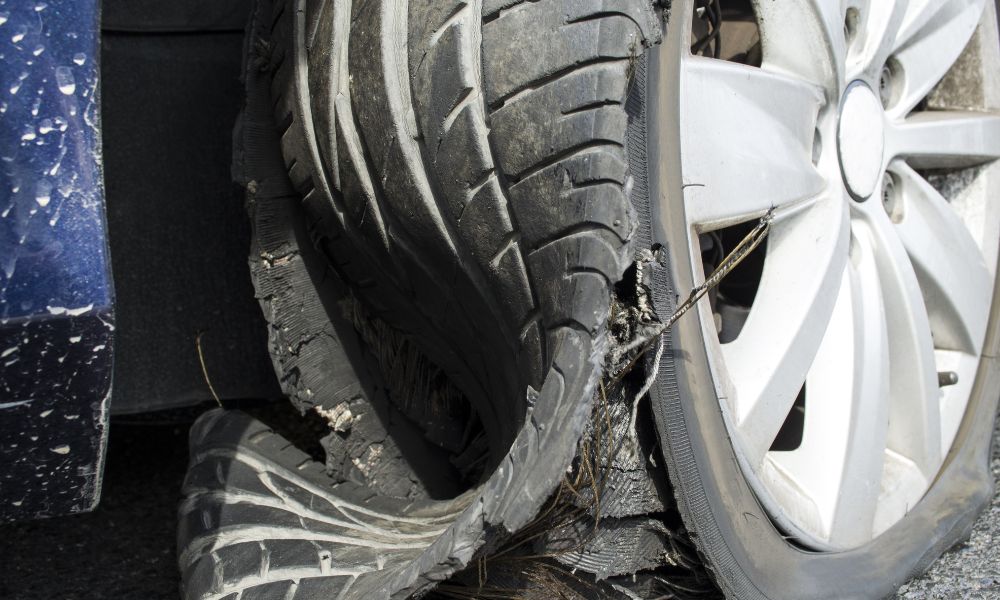
Can a stronger sidewall really stop your motorcycle tyre from blowing out at speed? It is an easy claim to believe. After all, stronger rubber sounds like better protection. But a tyre does not fail based on sidewall strength alone. Air pressure, heat, internal damage, heavy loads and sudden impacts can all push a tyre beyond its limits.
The real science is in how these factors work together, and knowing that can help riders recognise danger before a tyre fails.
What Does A Motorcycle Tyre Sidewall Actually Do?
The sidewall is the part of the tyre between the tread and bead. It supports the tyre as it carries the motorcycle, rider, pillion and luggage. It also flexes every time the tyre rolls over bumps or leans through a corner.
That flex is not a weakness by itself. A well-designed sidewall must balance strength with controlled movement. Too much flex can create excess heat. Too much stiffness can make the ride feel harsh and can alter how the tyre responds to uneven surfaces.
Do Stronger Tyre Sidewalls Really Prevent Blowouts?
A stronger sidewall can reduce vulnerability to certain forms of damage, but it cannot make a tyre blowout-proof. Sidewall reinforcement may help the tyre cope with impacts, loads and repeated flexing within its designed limits.
The important point is that a blowout can start in several parts of a tyre. A nail may puncture the tread. Low pressure can cause damaging heat. A severe pothole strike can harm internal cords even when the outside looks normal.
| Situation | Can A Stronger Sidewall Help? | What Riders Should Know |
| Minor road impacts | Possibly | Reinforcement may improve resistance to deformation |
| Underinflation | Only partly | Excess flex and heat can still damage the tyre |
| Sharp tread puncture | Usually not | Sidewall strength cannot stop tread penetration |
| Overloading | Limited protection | Load limits still apply |
| Severe sidewall cut | Limited protection | Deep damage may compromise tyre structure |
This is why choosing long lasting tyres should never mean looking only for thick or stiff sidewalls.
What Causes A Motorcycle Tyre To Blow Out?
Blowouts often result from damage, excess heat or loss of structural strength. Riders may think they happen without warning, but several problems can raise the risk over time.
Common causes are:
- Low tyre pressure: It makes the sidewall flex more than intended and generates extra heat.
- Overloading: Excess weight puts greater stress on the tyre carcass and sidewalls.
- Punctures: Nails, sharp stones and metal pieces can cause rapid or gradual air loss.
- Impact damage: Potholes and hard-edged bumps can damage internal cords.
- Tyre ageing: Rubber can harden, crack or deteriorate with age and exposure.
- Excessive wear: A heavily worn tyre has less material available to cope with road hazards.
How Does Sidewall Construction Affect Tyre Strength And Safety?
A motorcycle tyre is made from several materials that work together. The carcass provides structural support, while rubber compounds protect the tyre and help deliver grip. Reinforcing cords help the tyre retain its shape under load.
Radial tyres use carcass cords arranged roughly at right angles to the direction of travel. This construction allows the tread and sidewall to perform their jobs with a degree of independence. The result can support stable handling and effective heat management, depending on the tyre design.
| Design Factor | What It Does | Effect Riders May Notice |
| Carcass construction | Supports tyre shape and load | More predictable response |
| Sidewall flexibility | Controls deformation | Comfort over bumps and road feedback |
| Reinforcement | Adds structural support | Better resistance to specified loads and forces |
| Rubber compound | Affects grip and wear | Traction, feel and service life |
This balance also matters when riders search for long lasting tyres. Durability comes from materials, construction, correct use and maintenance rather than sidewall thickness alone.
Does A Thicker Sidewall Always Mean A Safer Tyre?
No. Thickness is only one design factor. A thicker sidewall may resist certain impacts better, but tyre engineers must also consider flexibility, heat generation, weight and handling behaviour.
For a rider, the safest option is a tyre designed for the motorcycle, load and riding conditions rather than simply the tyre that feels toughest by hand.
Does Tyre Pressure Matter More Than Sidewall Strength?
Tyre pressure has a major effect on sidewall behaviour. When pressure is too low, the sidewall bends excessively as the wheel rotates. Repeated flex creates heat, and excessive heat can weaken tyre materials.
Too much pressure creates a different problem. The tyre can feel firmer, and its ability to absorb bumps may change. Always use the motorcycle manufacturer’s recommended cold tyre pressures and adjust them only as specified for load or riding conditions.
Before a long ride, check:
- Cold tyre pressure.
- Cuts, cracks or bulges on both sidewalls.
- Tread wear and visible punctures.
- Unusual vibration or handling changes.
- Load limits for rider, pillion and luggage.
How Can Riders Reduce The Risk Of A Tyre Blowout?
Sidewall strength is useful, but prevention starts with routine care. A few minutes spent inspecting tyres can reveal problems before they become serious on the road.
Riders should:
- Check tyre pressure regularly when tyres are cold.
- Inspect tread and sidewalls after hitting a hard pothole.
- Never ignore bulges, deep cuts, exposed cords or cracking.
- Replace tyres that have reached their wear or age limits.
- Stay within the specified load and speed ratings.
- Use the correct tyre size and type recommended for the motorcycle.
If you are selecting a radial tyre for bike, consider the full design rather than sidewall stiffness alone. Grip, load capacity, heat control and suitability for your riding style all matter.
Stronger Sidewalls Are Only Part Of The Safety Equation
A stronger sidewall can provide added protection against certain impacts and stresses, but it cannot make a tyre immune to blowouts. Low air pressure, punctures, excess heat, overloading, ageing and unnoticed damage can still lead to tyre failure.
The best defence is regular tyre care. Check pressure, inspect the tread and sidewalls, respect load limits and never ignore cracks, bulges or unusual handling. A well-maintained tyre in good condition will always give you more confidence when the road gets demanding.
Comments are closed.