

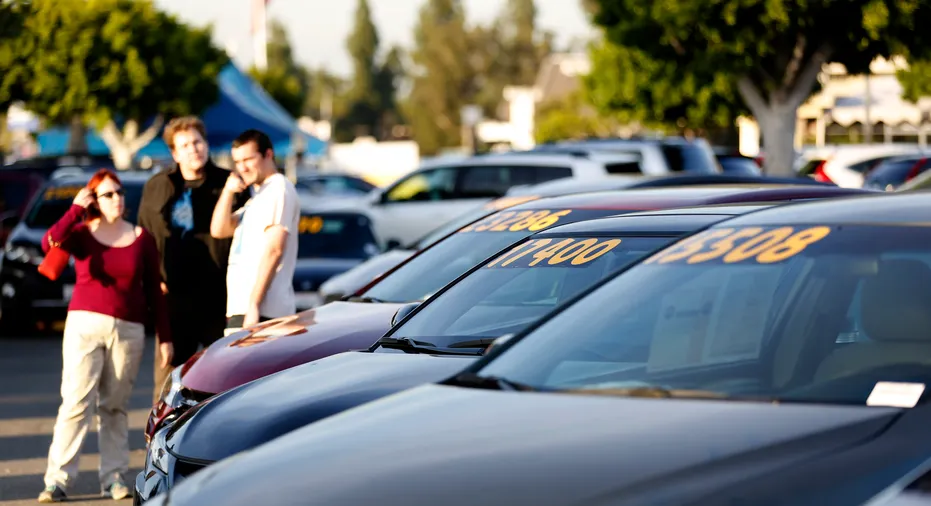
Buying a used car can save money—but a bad deal can quickly turn into a financial headache. Hidden defects, misleading sellers, and incomplete paperwork are more common than many buyers expect. Knowing how to identify warning signs early can protect you from costly mistakes.
Why Bad Deals Happen in the Used Car Market
Unlike new cars, used vehicles come with a history that isn’t always transparent. Sellers may hide problems to get a better price, while buyers often rush decisions due to attractive deals. Awareness is your strongest defense.
Red Flags in Pricing
Unusually Low Price
If a deal seems too good to be true, it probably is.
- Price significantly lower than market value
- Seller pushing for a quick sale
- Limited or vague information about the car
Low prices often indicate hidden damage, legal issues, or urgent disposal.
No Price Negotiation Allowed
- Seller refuses to negotiate at all
- Claims “final price” without justification
A rigid seller can signal a lack of transparency.
Signs of Odometer Tampering
Mileage directly affects a car’s value. Some sellers manipulate it to make the car seem less used.
How to Detect It
- Worn-out pedals and seats despite low mileage
- Service records showing inconsistent readings
- Scratches or tampering marks near the odometer
If the numbers don’t match the condition, walk away.
Hidden Accident Damage
Accident history can compromise safety and performance.
What to Look For
- Uneven paint or mismatched panels
- Gaps between doors or panels
- Signs of welding or frame repair
Even well-repaired cars can have long-term structural issues.
Engine and Mechanical Warning Signs
A faulty engine is one of the biggest risks.
Red Flags
- Strange noises (knocking, rattling)
- Excessive smoke from exhaust
- Oil leaks or burning smell
Always inspect the engine carefully and never skip a test drive.
Incomplete or Suspicious Documents
Legal issues can make ownership transfer difficult—or even illegal.
Essential Documents
- Registration Certificate (RC)
- Valid insurance
- Pollution certificate (PUC)
- Loan clearance (if financed)
Warning Signs
- Mismatched engine or chassis numbers
- Missing service records
- Seller unwilling to share documents
Pushy or Evasive Sellers
The seller’s behavior can reveal a lot.
Be Cautious If
- They rush you to make a decision
- Avoid answering specific questions
- Refuse a test drive or inspection
A genuine seller will be transparent and cooperative.
No Service History
A missing maintenance record is a major concern.
- No proof of regular servicing
- Unknown repair history
- Lack of receipts or invoices
This increases the risk of hidden mechanical problems.
Test Drive Red Flags
A proper test drive can expose issues quickly.
Watch For
- Poor acceleration
- Hard or delayed gear shifts
- Steering pulling to one side
- Unusual vibrations or noises
If the car doesn’t feel right, trust your instincts.
Check for Flood or Water Damage
Flood-damaged cars often re-enter the market.
Warning Signs
- Musty smell inside the cabin
- Rust under seats or dashboard
- Moisture in headlights or instrument panel
These cars can have serious electrical and mechanical failures later.
Verify Ownership and Background
Always confirm the seller’s identity and ownership status.
- Ensure the seller’s name matches the RC
- Check for pending loans or legal disputes
- Use official apps or services to verify details
Quick Warning Checklist
Before saying yes, double-check:
- ✔ Price matches market value
- ✔ Documents are complete and genuine
- ✔ Engine runs smoothly
- ✔ No signs of accident damage
- ✔ Seller is transparent
- ✔ Test drive feels normal
Conclusion
Spotting a bad used car deal isn’t about luck—it’s about observation and patience. By carefully checking the price, condition, documents, and seller behavior, you can avoid common traps. Taking your time today can save you from major regrets tomorrow.
Frequently Asked Questions (FAQs)
1. What is the biggest red flag when buying a used car?
An unusually low price combined with incomplete documents is one of the biggest warning signs.
2. How can I verify if a car has been in an accident?
Look for uneven paint, panel gaps, and repair marks, and cross-check with service records.
3. Is it safe to buy a car without service history?
It’s risky, as you won’t know how well the car has been maintained.
4. Can I trust online used car listings?
Some are reliable, but always verify details in person before making any payment.
5. What should I do if the seller refuses inspection?
Walk away immediately—this is a major red flag.
6. How do I check if the car has pending loans?
Ask for a loan clearance certificate or verify through official records.
7. Should I bring a mechanic when buying a used car?
Yes, a professional inspection adds an extra layer of safety and confidence.
Comments are closed.