

Buying a used car can feel risky, especially when you’re unsure about the engine condition. The good news? You don’t need to be a mechanic to identify major red flags. With a few simple checks and observations, you can confidently assess whether the engine is healthy or hiding costly problems.
Why Engine Health Matters
The engine is the heart of any vehicle. A poorly maintained engine can lead to expensive repairs, poor fuel efficiency, and unreliable performance. Taking a few minutes to inspect it can save you thousands later.
Start with a Visual Inspection
Before turning the key, take a close look under the hood.
What to Look For
- Oil leaks: Check for wet or greasy areas around the engine
- Rust or corrosion: Especially around bolts and battery terminals
- Loose or damaged wires: Could indicate poor maintenance
- Broken components: Cracked belts or worn hoses are warning signs
A clean engine isn’t always perfect, but an excessively dirty or overly polished engine can sometimes hide issues.
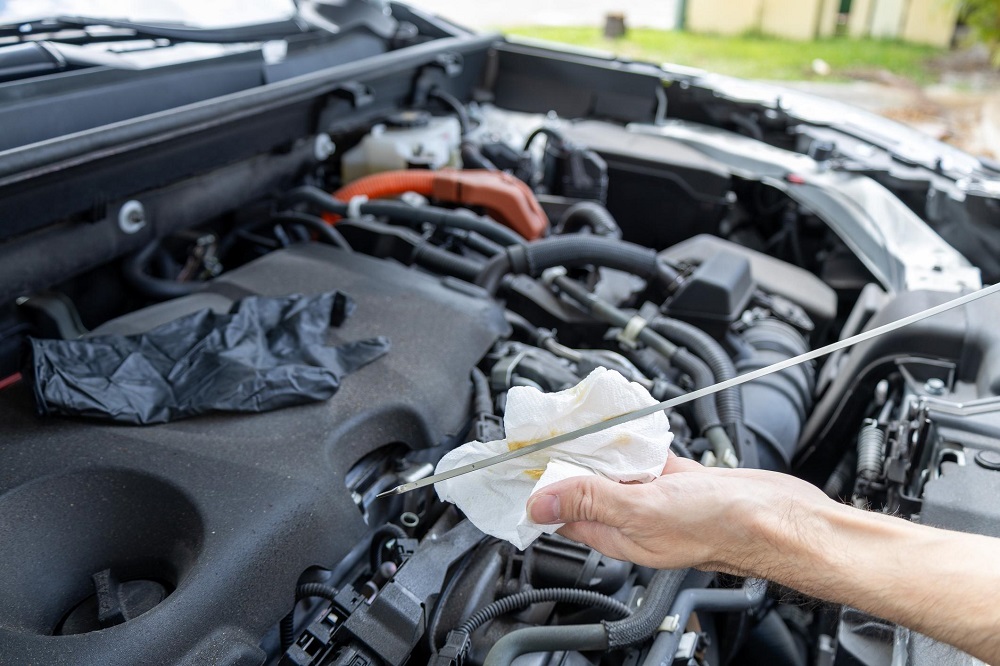
Check Engine Oil Condition
Engine oil reveals a lot about internal health.
How to Check
- Pull out the dipstick
- Wipe it clean and reinsert
- Pull it out again to inspect
Healthy Signs
- Light brown or golden color
- Smooth texture
Warning Signs
- Thick, black sludge
- Milky color (could indicate coolant mixing)
- Very low oil level
Listen to the Engine Sound
Start the car and pay attention to how the engine sounds.
Normal Sounds
- Smooth and consistent humming
Red Flags
- Knocking or tapping noises
- Loud vibrations
- Irregular idling
Unusual sounds often point to internal wear or poor maintenance.
Observe Exhaust Smoke
The exhaust can reveal hidden engine problems.
Smoke Colors and Meaning
- White smoke: Possible coolant leak
- Blue smoke: Burning engine oil
- Black smoke: Excess fuel consumption
A healthy engine usually produces minimal or no visible smoke.
Check for Excessive Vibrations
While the engine is running:
- Place your hand lightly on the car body
- Notice if the vibrations feel strong or uneven
Excessive shaking could indicate engine mount issues or internal imbalance.
Inspect the Coolant and Radiator
Coolant plays a vital role in engine temperature.
What to Check
- Coolant level in the reservoir
- Color should be bright (green, orange, or pink depending on type)
Avoid If
- Coolant looks rusty or muddy
- There are signs of leakage
Take a Proper Test Drive
A test drive is essential to understand real performance.
During the Drive
- Check acceleration smoothness
- Observe gear shifts
- Watch for overheating warnings
Warning Signs
- Loss of power
- Jerky acceleration
- Engine overheating
Look for Dashboard Warning Lights
Modern cars have sensors that alert you to problems.
- Ensure no check engine light stays on
- Watch for oil pressure or temperature warnings
Ignoring these signals can lead to serious issues.
Smell Can Tell a Story
Your nose can detect problems your eyes might miss.
Common Smells
- Burning oil: Possible leak
- Sweet smell: Coolant leak
- Fuel smell: Poor combustion or leakage
Check Service History
A well-maintained car usually comes with records.
Look For
- Regular oil changes
- Timely servicing
- Major repairs or replacements
Consistency in maintenance is a strong indicator of engine health.
Quick Checklist for Buyers
Before finalizing, run through this:
- ✔ No unusual engine noises
- ✔ Clean and healthy oil
- ✔ No smoke from exhaust
- ✔ Smooth acceleration
- ✔ No warning lights
- ✔ Proper service records
Conclusion
You don’t need technical expertise to judge a used car’s engine condition. Simple observations—like sound, smoke, oil quality, and driving feel—can reveal most hidden issues. Taking the time to inspect carefully ensures you make a smart, confident purchase instead of an expensive mistake.
Frequently Asked Questions (FAQs)
1. Can I rely only on a test drive to check engine health?
No, a test drive helps, but combining it with visual checks and document verification gives a clearer picture.
2. Is engine noise always a bad sign?
Not always, but knocking, tapping, or irregular sounds usually indicate problems.
3. What is the most important sign of a healthy engine?
Smooth performance, clean oil, and no unusual smoke are strong indicators.
4. Should I still get a mechanic inspection after these checks?
Yes, a professional inspection adds an extra layer of safety before purchase.
5. How long should I test drive a used car?
At least 15–20 minutes on different road conditions for better assessment.
6. Can dashboard warning lights be ignored temporarily?
No, they often indicate serious issues that should not be overlooked.
7. Does high mileage always mean poor engine health?
Not necessarily. A well-maintained high-mileage car can still perform reliably.
Comments are closed.