

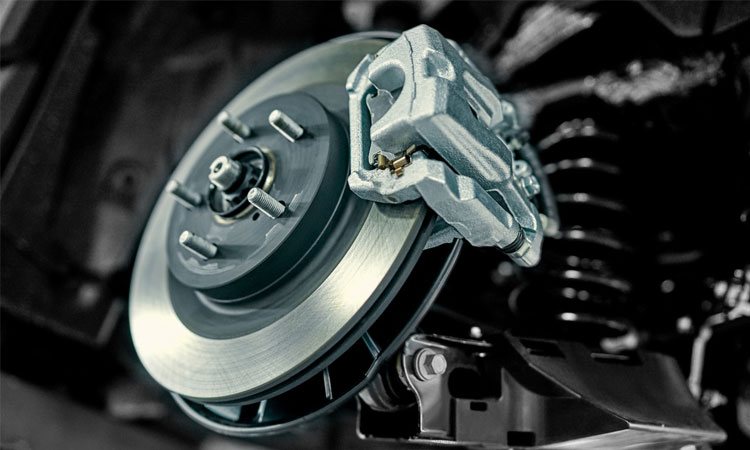
Understanding Brake Components
Brake systems are among the most critical safety features in any vehicle. They allow drivers to control speed, avoid accidents, and maintain stability on the road. A typical braking system consists of several interconnected components, each designed to work seamlessly together.
Key Brake Components Include:
- Brake Pads – Create friction against the disc to slow down the vehicle
- Brake Discs (Rotors) – Rotate with the wheel and provide a surface for pads
- Brake Calipers – House the brake pads and apply pressure
- Brake Fluid – Transfers force from the pedal to the braking mechanism
- Brake Lines – Carry fluid throughout the system
Each part must function efficiently for safe and reliable braking performance.
Why High-Quality Brake Components Matter
Investing in high-quality brake parts is not just about performance—it’s about safety, durability, and long-term cost savings.
1. Enhanced Safety on the Road
Premium brake components provide consistent and reliable stopping power. Low-quality parts may wear out quickly or fail under stress, increasing the risk of accidents, especially during sudden braking or in wet conditions.
2. Better Performance and Responsiveness
High-quality brake pads and discs ensure smooth and quick response when you press the brake pedal. This improves overall driving control, especially at high speeds or in emergency situations.
3. Increased Durability
Quality materials such as advanced ceramics or high-grade metals last longer and resist heat better. This reduces the frequency of replacements and ensures stable performance over time.
4. Reduced Noise and Vibration
Inferior brake components often cause squeaking or vibrations. Premium parts are engineered to minimize these issues, offering a quieter and more comfortable driving experience.
5. Cost Efficiency in the Long Run
While high-quality parts may have a higher upfront cost, they reduce maintenance expenses over time by lasting longer and preventing damage to other components.
Signs You Need to Replace Brake Components
Recognizing early warning signs can prevent serious issues and ensure your safety.
Common Indicators:
- Squeaking or grinding noises when braking
- Vibration in the brake pedal
- Longer stopping distances
- Brake warning light on dashboard
- Vehicle pulling to one side while braking
Ignoring these signs can lead to complete brake failure.
Choosing the Right Brake Components
Selecting the right parts requires attention to quality, compatibility, and driving needs.
Tips for Smart Selection:
- Check compatibility with your vehicle model
- Opt for trusted brands with proven reliability
- Consider driving conditions (city, highway, off-road)
- Look for warranties and certifications
- Avoid extremely cheap options that compromise safety
Maintenance Tips for Brake Longevity
Proper maintenance extends the life of brake components and ensures consistent performance.
Best Practices:
- Regularly inspect brake pads and discs
- Replace brake fluid as recommended
- Avoid aggressive braking habits
- Keep the braking system clean and debris-free
- Schedule periodic professional inspections
Environmental Impact of Quality Brake Parts
High-quality brake components often produce less dust and wear more evenly, reducing environmental pollution. Advanced materials also improve efficiency, contributing to sustainable vehicle operation.
Conclusion
Brake components are not just another part of your vehicle—they are your first line of defense on the road. Choosing high-quality parts ensures safety, enhances performance, and saves money over time. Regular maintenance and timely replacements further guarantee that your braking system performs reliably when you need it most.
Frequently Asked Questions (FAQs)
1. How often should brake pads be replaced?
Brake pads typically need replacement every 30,000 to 70,000 kilometers, depending on driving habits and conditions.
2. Are expensive brake components always better?
Not always, but reputable, high-quality parts generally offer better durability and performance compared to cheaper alternatives.
3. Can I replace brake components myself?
While some minor replacements are possible, it’s recommended to have a professional handle brake repairs for safety reasons.
4. What happens if I ignore worn-out brakes?
Ignoring worn brakes can lead to reduced stopping power, damage to other components, and increased risk of accidents.
5. Do high-quality brake pads reduce noise?
Yes, premium brake pads are designed to minimize noise and vibrations during braking.
6. How do I know if my brake fluid needs replacement?
If the fluid appears dark or contaminated, or if braking feels less responsive, it’s time for a replacement.
7. Is it necessary to replace rotors with brake pads?
Not always, but if rotors are worn or damaged, replacing them along with pads ensures optimal performance.
Comments are closed.