

Introduction
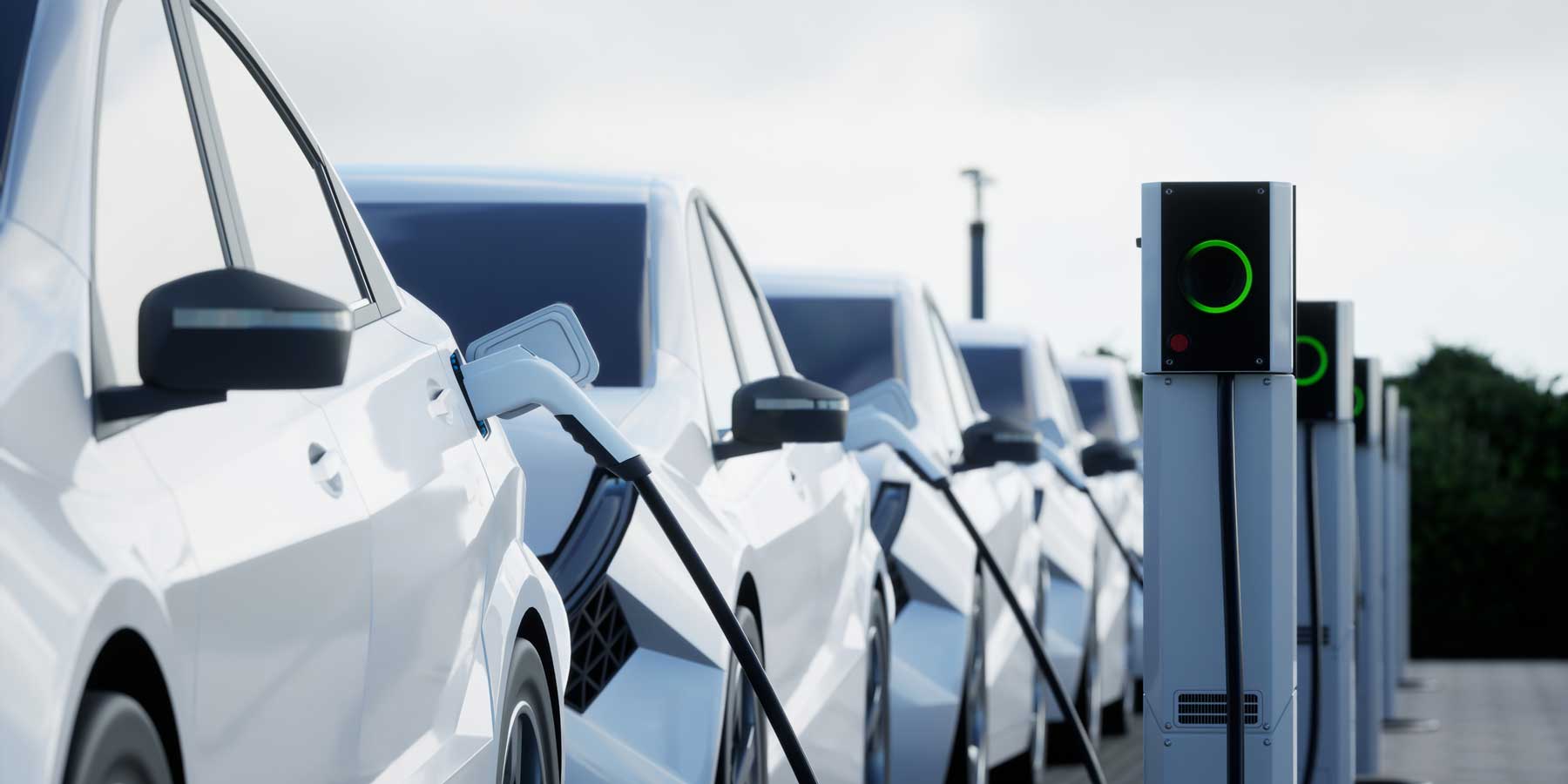
Electric Vehicles (EVs) are reshaping the global transportation landscape. As concerns over climate change and fuel costs grow, EVs have emerged as a cleaner and more efficient alternative to traditional fuel-powered vehicles. With rapid technological advancements, they are no longer a niche concept but a mainstream choice for modern mobility.
What Are Electric Vehicles?
An Electric Vehicle (EV) is a type of vehicle that runs on electricity instead of gasoline or diesel. It uses an electric motor powered by rechargeable batteries, eliminating the need for internal combustion engines.
Types of Electric Vehicles
1. Battery Electric Vehicles (BEVs)
- Fully powered by electricity
- No fuel engine
- Require charging from external sources
2. Hybrid Electric Vehicles (HEVs)
- Combine a fuel engine with an electric motor
- Do not need external charging
3. Plug-in Hybrid Electric Vehicles (PHEVs)
- Can run on both electricity and fuel
- Rechargeable via charging stations
4. Fuel Cell Electric Vehicles (FCEVs)
- Powered by hydrogen fuel cells
- Produce only water as a byproduct
How Electric Vehicles Work
Electric vehicles operate through a simple yet efficient system:
- Battery Pack: Stores electrical energy
- Electric Motor: Converts electricity into motion
- Controller: Regulates power flow
- Charging System: Replenishes battery energy
Unlike traditional vehicles, EVs have fewer moving parts, making them easier to maintain.
Advantages of Electric Vehicles
Environmental Benefits
- Zero tailpipe emissions
- Reduced air pollution
- Lower carbon footprint
Economic Benefits
- Lower fuel costs
- Reduced maintenance expenses
- Government incentives and subsidies
Performance Benefits
- Smooth and silent operation
- Instant torque and acceleration
- Advanced technology integration
Challenges of Electric Vehicles
Despite their advantages, EVs face some limitations:
- Charging Infrastructure: Limited in some regions
- Battery Range: Range anxiety among users
- Charging Time: Longer than refueling
- Initial Cost: Higher upfront price
EV Charging Infrastructure
Charging plays a vital role in EV adoption.
Types of Charging
- Level 1: Standard home charging (slow)
- Level 2: Faster home and public charging
- DC Fast Charging: Rapid charging for long-distance travel
Future of Electric Vehicles
The EV industry is evolving rapidly with innovations such as:
- Solid-State Batteries: Longer range and faster charging
- Wireless Charging: Cable-free convenience
- Smart Grids: Efficient energy distribution
- Autonomous EVs: Self-driving electric mobility
Countries worldwide are setting ambitious goals to phase out fuel-powered vehicles, accelerating EV adoption.
Conclusion
Electric Vehicles represent a major step toward sustainable transportation. While challenges remain, continuous advancements in technology and infrastructure are making EVs more accessible and practical. The shift toward electric mobility is not just a trend—it is the future.
Frequently Asked Questions (FAQs)
1. How long does it take to charge an electric vehicle?
It depends on the charger type—ranging from a few hours (Level 2) to under an hour (fast charging).
2. Are electric vehicles cheaper to maintain?
Yes, they have fewer mechanical parts, reducing maintenance costs.
3. What is the average range of an EV?
Most modern EVs offer a range between 200 to 500 kilometers per charge.
4. Can EV batteries be recycled?
Yes, EV batteries can be recycled and reused for other applications.
5. Are electric vehicles safe?
Yes, EVs meet strict safety standards and often include advanced safety features.
6. Do EVs work in extreme weather?
Yes, but battery efficiency may slightly decrease in very cold or hot conditions.
7. Is electricity cheaper than petrol?
In most cases, charging an EV is significantly cheaper than refueling with petrol or diesel.
Comments are closed.